
I absolutely love sharing my Easy Buttery Herb Vegan Stuffing Recipe with friends and family because it’s a warm, comforting dish that feels like a big cozy hug on your plate. This stuffing boasts layers of rich, herb-infused flavor balanced perfectly with tender veggies and soft, buttery bread cubes—all made completely vegan without sacrificing that classic stuffing taste we all crave. Whether it’s a holiday feast or a simple weeknight treat, this recipe has become one of my go-to favorites that never fails to impress and satisfy.
Why You'll Love This Easy Buttery Herb Vegan Stuffing Recipe
What really makes this recipe special to me is how deeply flavorful it is, despite being so simple to prepare. I adore the way the fresh sage, rosemary, and thyme infuse the dish with that traditional herb aroma, while the vegan butter adds an indulgent, silky richness that ties all the ingredients together beautifully. The vegetables soften just enough to add a subtle sweetness and freshness, making each bite a delightful balance of textures and tastes.
Another reason I’m always excited to make this Easy Buttery Herb Vegan Stuffing Recipe is how straightforward the process is. It doesn’t require hours or complicated steps, yet it delivers that homestyle stuffing experience which you’d expect at a festive table. It’s a versatile side that fits perfectly alongside roasted mains, and I especially love serving it during holidays, family dinners, or anytime I want to bring a little extra love to the table. This recipe genuinely stands out because it’s vegan, hearty, and buttery all at once—a winning trifecta in my book.
Ingredients You'll Need
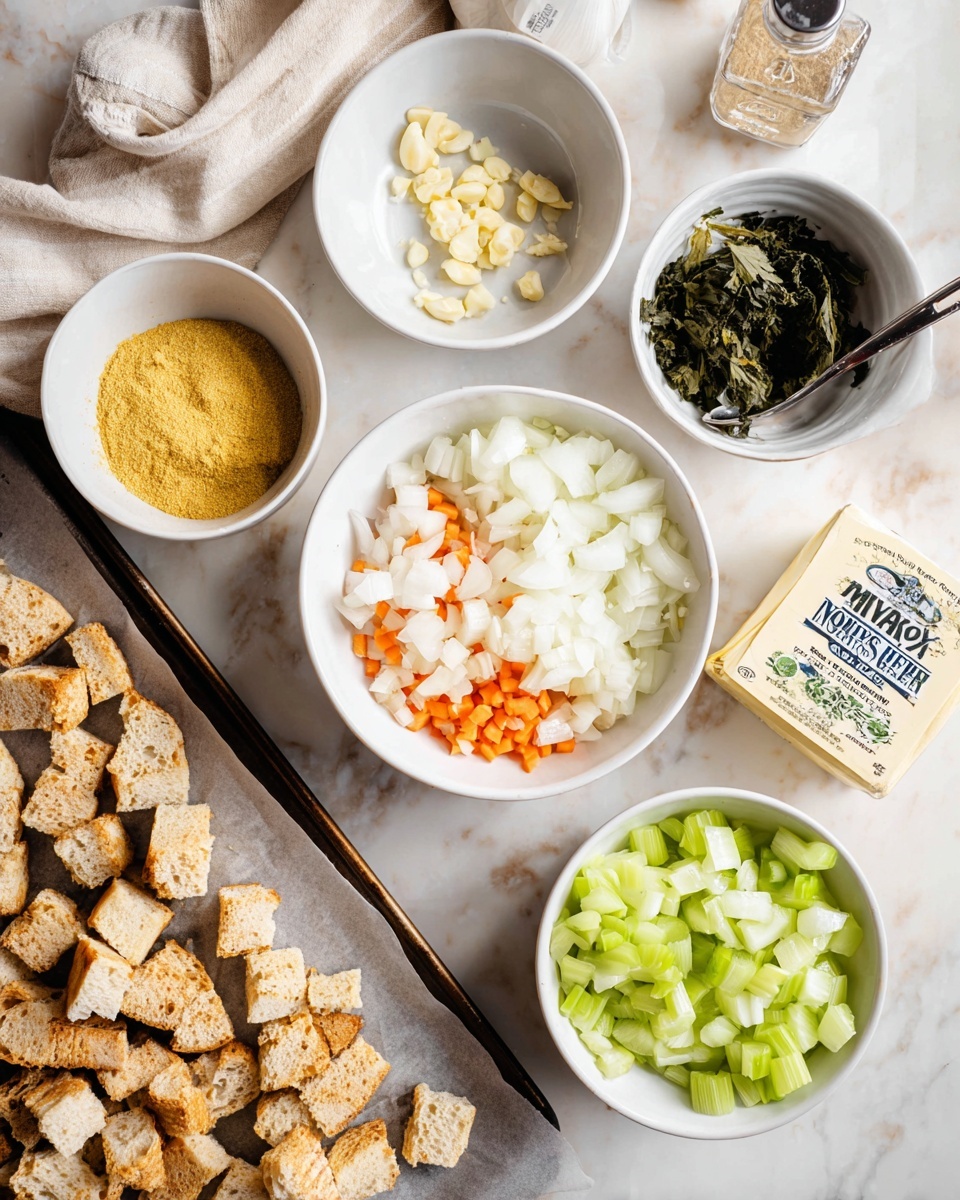
Every ingredient in this recipe plays a crucial role, from the bread cubes that provide the fluffy, soak-up-the-flavor base, to the medley of aromatic herbs and fresh vegetables that bring brightness and depth. Using simple, wholesome ingredients allows the natural flavors to shine through while creating a beautifully textured stuffing that feels both rustic and refined.
Tip!
You’ll find all ingredient quantities in the recipe card below.
- Bread cubes: Day-old sourdough or gluten free bread works best to absorb all the flavors without getting mushy.
- Celery: Adds a subtle, crisp freshness that balances the rich herbs and butter.
- Carrots: Mild sweetness and soft texture enhance the stuffing’s heartiness.
- Onions: Provides a savory base that melts into the mixture as you sauté.
- Garlic: Infuses the dish with a robust aroma and gentle zing.
- Salted vegan butter: Key for that luscious, buttery mouthfeel while keeping it 100% plant-based.
- Fresh herbs (sage, rosemary, thyme): These herbs give the stuffing its distinctive, comforting flavor.
- Vegetable broth: Moistens the bread cubes and ties all the flavors together.
- Ground flaxseed: Acts as a binder while adding a subtle nutty taste and extra nutrition.
Directions
Step 1: Prep your bread by dicing it into cubes. Make sure your loaf is at least a day old so it holds up well. If the bread is fresh, I like to dry it out by baking the cubes on a sheet at 300°F for about 10 minutes to give them a nice toasted crunch.
Step 2: Lightly grease a 9×13-inch casserole dish with 1 tablespoon melted vegan butter or olive oil. Spread the cubed bread evenly in the dish and set aside while you prepare the veggie mixture.
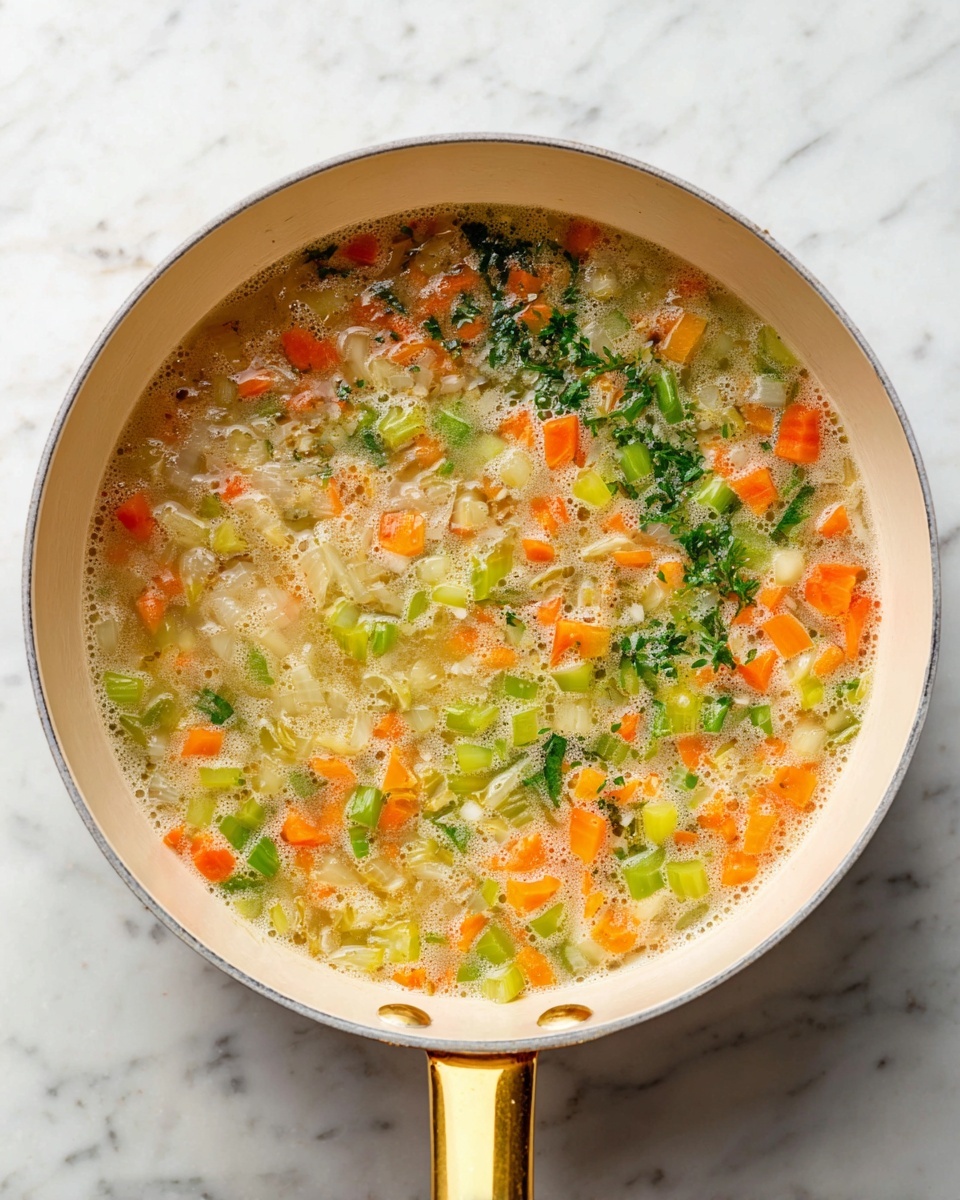
Step 3: In a large pot, melt 1 cup of salted vegan butter over medium-high heat. Once melted, reduce heat to medium and add the minced garlic, chopped celery, carrots, onions, fresh sage, rosemary, and thyme.
Step 4: Sauté the vegetables and herbs gently, stirring frequently. Cook until the onions turn translucent and the carrots soften, about 7-10 minutes. Then remove the pot from heat.
Step 5: Pour the sautéed mixture over the bread cubes in the casserole dish, tossing everything lightly so the bread cubes are evenly coated with all those fragrant veggies and herbs.
Step 6: In a small bowl, whisk together 2 cups of vegetable broth with 2 tablespoons of ground flaxseed until well combined. Pour this liquid evenly over the bread and veggie mixture. The broth makes the bread deliciously moist, while the flaxseed helps keep everything wonderfully bound together.
Step 7: Cover the casserole dish tightly with parchment paper or foil and bake at 350°F for 20 minutes. This lets the stuffing soak up all the flavors while steaming gently.
Step 8: After 20 minutes, remove the cover and continue baking for an additional 30 minutes. This finishing step crisps the top just enough while giving the stuffing a gorgeous light golden-brown color.
Step 9: Take the stuffing out of the oven and let it rest for a few minutes before serving. This waiting period helps everything set so each serving holds its shape beautifully. Now you’re ready to enjoy your homemade Easy Buttery Herb Vegan Stuffing Recipe!
Servings and Timing
This recipe yields approximately 10 generous servings, perfect for a family gathering or a holiday dinner party. It takes about 15 minutes to prep the ingredients, 50 minutes to cook and bake the stuffing, and an additional 5 minutes to let it rest before serving—making the total time roughly 1 hour and 10 minutes. This timing allows enough space to prepare other dishes while your kitchen fills with those amazing herb and butter aromas.
How to Serve This Easy Buttery Herb Vegan Stuffing Recipe
I love serving this Easy Buttery Herb Vegan Stuffing Recipe as a star side dish alongside roasted vegetables or a hearty plant-based protein like lentil loaf or stuffed squash. It pairs beautifully with cranberry sauce or a simple vegan gravy drizzled on top to elevate the cozy flavors even further. For a festive occasion, I like to garnish the stuffing with a few sprigs of fresh thyme or sage leaves and a sprinkle of chopped parsley for a pop of fresh green color.
When it comes to drinks, I’m all about pairing this dish with a crisp white wine like a Sauvignon Blanc or an herbal iced tea with hints of lemon and mint. The acidity and brightness cut through the richness of the vegan butter and complement the herbs. At family dinners or casual weeknight meals, I usually serve the stuffing warm straight from the oven, but it also tastes fantastic at room temperature if you want to prep ahead and free up oven space.
Presentation-wise, I like to dish the stuffing into a rustic ceramic bowl or a cast iron skillet to keep it warm and cozy on the table. Portion sizes can vary depending on the meal, but about 1 cup per person feels just right to balance with other sides. This recipe truly shines in moments of gathering and celebration, making every meal feel special and full of love.
Variations
I often experiment with this recipe to suit different tastes or dietary needs. If you want to switch it up, try swapping the sourdough for a gluten-free bread to keep it completely gluten-free while still enjoying that buttery herb goodness. Just be sure the bread is firm enough to soak up the broth without turning to mush.
If you love additional texture, adding chopped walnuts or toasted pecans into the stuffing just before baking adds a lovely crunch and nutty depth that I find irresistibly tasty. For a little extra savory punch, mixing in some sautéed mushrooms or sun-dried tomatoes works wonderfully and complements the herbs beautifully.
Lastly, if you’re short on time, you can sauté your veggies and herbs in olive oil instead of vegan butter for a slightly lighter option, or even bake the assembled stuffing in muffin tins for individual servings that cook faster and make cute appetizers or portable sides. No matter how you customize it, the core buttery, herbaceous flavor will always be the heart of the dish.
Storage and Reheating
Storing Leftovers
After you enjoy your stuffing, I recommend transferring any leftovers into an airtight container and storing it in the refrigerator. It will stay fresh for up to 5 days, making it an excellent make-ahead side or ready-to-go lunch option. I find glass containers with tight-fitting lids work best to maintain moisture without letting the stuffing dry out.
Freezing
This stuffing freezes beautifully if you want to save some for later. After baking, allow it to cool completely, then portion it into freezer-safe containers or heavy-duty resealable bags. Remove as much air as possible before sealing to prevent freezer burn. The stuffing can be frozen for up to 3 months. When you’re ready to eat, thaw it overnight in the refrigerator before reheating for best results.
Reheating
To bring your leftover stuffing back to life, I prefer reheating in the oven. Spread it in a casserole dish, cover with foil to retain moisture, and bake at 350°F for about 20-25 minutes or until heated through. Avoid microwaving if possible because that can make the texture soggy or uneven. For a crispier top, remove the foil during the last 5-10 minutes. This method keeps the stuffing moist inside and refreshes the golden crust perfectly.
FAQs
Can I use other types of bread for this stuffing?
Absolutely! While sourdough adds wonderful flavor and texture, you can use any day-old bread you like, including whole wheat, multigrain, or gluten-free brands. The key is to use bread that’s dry enough to soak up the broth without turning mushy.
Is this stuffing recipe completely vegan?
Yes, it is! I use salted vegan butter and vegetable broth to keep it fully plant-based without sacrificing that rich, buttery taste you expect from classic stuffing. It’s perfect for vegans and anyone looking to enjoy a delicious meatless side.
Can I prepare this ahead of time?
Definitely. You can prepare everything up to the baking step and store the casserole covered in the refrigerator for a few hours or overnight. Just add a little extra broth before baking if it looks dry. Then bake as directed for a fresh, warm stuffing whenever you’re ready.
What if I don’t have fresh herbs on hand?
Fresh herbs really make a difference in flavor, but if you only have dried, you can substitute about one-third of the amount and add them during the sauté step. Just remember dried herbs are more concentrated, so use less to avoid overpowering the dish.
How can I make this recipe gluten-free?
Simply use your favorite gluten-free bread instead of sourdough. I recommend using one that’s sturdy enough to hold up when mixed with broth. You can even bake the bread cubes beforehand to toast them slightly, which helps improve texture and flavor.
Conclusion
I hope you feel inspired to try this Easy Buttery Herb Vegan Stuffing Recipe soon! It’s one of those joyful dishes that brings people together and fills the home with comforting aromas. Whether it’s a holiday tradition or a new favorite for weeknight dinners, this stuffing offers a beautiful combination of buttery richness and fresh herbs that I know you'll love as much as I do. Happy cooking and even happier eating!
Print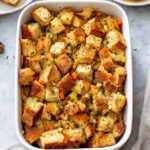
Easy Buttery Herb Vegan Stuffing Recipe
- Total Time: 1 hour 10 minutes
- Yield: 10 servings
- Diet: Vegan
Description
This Easy Buttery Herb Vegan Stuffing is a delicious and comforting side dish perfect for holiday meals or cozy dinners. Made with day-old sourdough or gluten-free bread cubes, sautéed vegetables, fresh herbs, and a rich vegan butter base, this stuffing is both flavorful and plant-based. The bread is toasted for extra texture, then combined with a savory vegetable broth infused with ground flaxseed before baking to golden perfection.
Ingredients
Bread
- 1 large loaf of sourdough, day-old bread, or 1 batch gluten free bread recipe (or favorite gluten free bread, 1 day old)
Vegetables & Herbs
- 1 cup chopped celery
- 1 cup chopped carrots
- 1 cup diced onions
- 5 cloves garlic, minced
- ⅓ cup chopped sage
- ⅓ cup chopped rosemary
- ⅓ cup chopped thyme
Other Ingredients
- 1 cup (226 g) salted vegan butter
- 2 cups (480 mL) vegetable broth
- 2 tbsp ground flaxseed
Instructions
- Prep: Ensure your gluten-free or sourdough bread loaf is a day old. Dice the bread into cubes. If you’re preparing the bread the same day, dry it out by spreading the cubes on a baking sheet and baking at 300°F (150°C) for 10 minutes to toast and enhance flavor.
- Grease the Dish: Lightly grease a 9×13" casserole dish using 1 tablespoon of melted vegan butter or olive oil. Add the cubed bread to the dish and set aside. Preheat your oven to 350°F (175°C).
- Sauté the Vegetables and Herbs: In a large pot, melt the vegan butter over medium-high heat. Then reduce heat to medium and add the minced garlic, chopped celery, carrots, onions, sage, rosemary, and thyme. Sauté until onions are translucent and carrots soften, approximately 5-7 minutes. Remove from heat.
- Toss the Mixture: Pour the sautéed vegetable and herb mixture into the casserole dish over the cubed bread. Toss gently to ensure the bread cubes are evenly coated with the flavorful mixture.
- Combine Broth and Flaxseed: In a separate bowl, whisk together the vegetable broth and ground flaxseed until well combined. Pour this mixture evenly over the bread and vegetable mixture in the casserole dish.
- Bake Covered: Cover the casserole dish with parchment paper or aluminum foil and bake for 20 minutes at 350°F (175°C).
- Bake Uncovered: Remove the cover and continue baking for an additional 30 minutes or until the top of the stuffing is lightly golden brown and crispy.
- Serve and Store: Remove the stuffing from the oven. Serve warm and enjoy! Store any leftovers in an airtight container in the refrigerator for up to 5 days or freeze for up to 3 months.
Notes
- Using day-old bread helps achieve the perfect texture for stuffing. Fresh bread can be dried in the oven as described.
- Fresh herbs contribute much more flavor than dried herbs, but if unavailable, substitute with 1 tablespoon each of dried sage, rosemary, and thyme.
- Ground flaxseed adds a subtle nutty flavor and helps bind the stuffing ingredients together.
- For a richer flavor, consider using salted vegan butter, or adjust salt to taste if using unsalted.
- Covering the stuffing during the initial baking helps it remain moist, while baking uncovered at the end creates a crispy top.
- Prep Time: 15 minutes
- Cook Time: 55 minutes
- Category: Side Dish
- Method: Baking
- Cuisine: American


Leave a Reply